

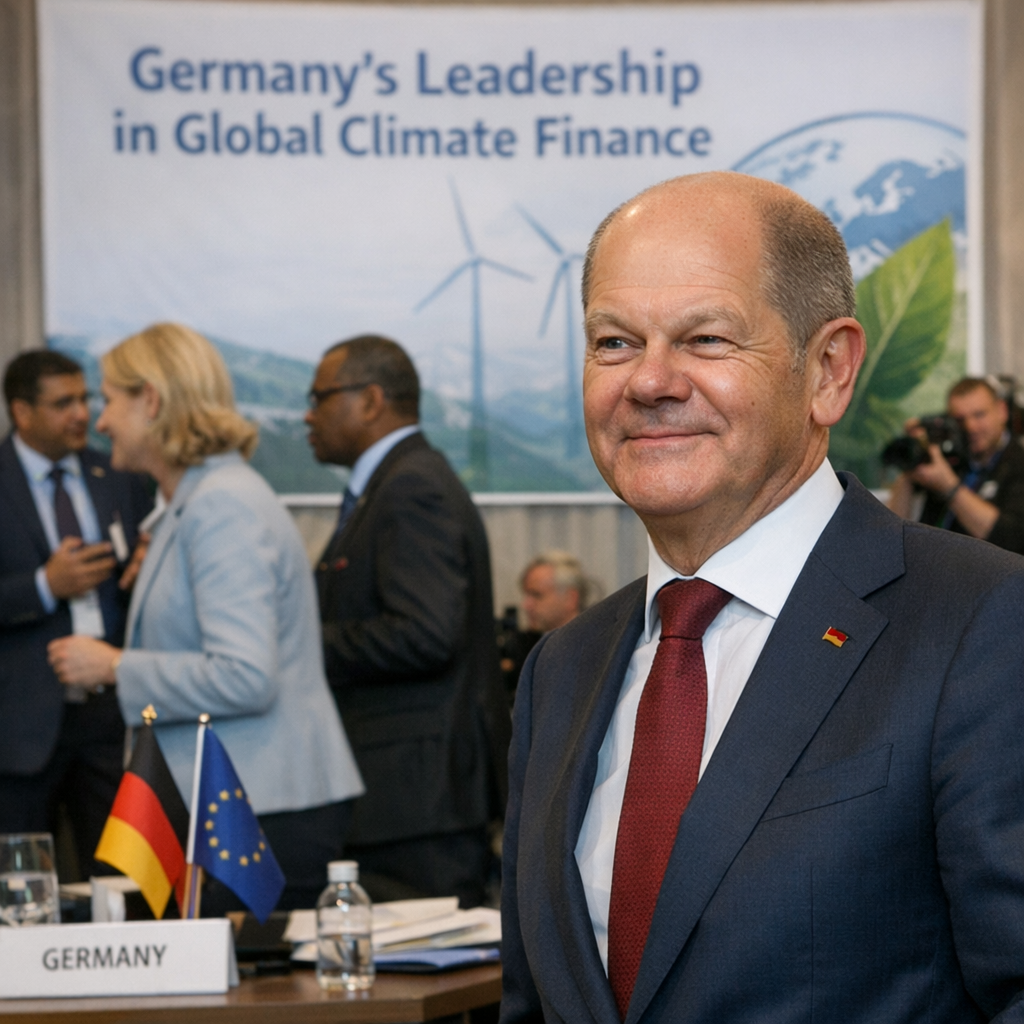
Germany has emerged as a pivotal player in international climate finance, showcasing a steadfast commitment to supporting global efforts in combating climate change. In 2024, the German government allocated a record 11.8 billion euros towards climate change mitigation and adaptation initiatives in developing countries. This substantial contribution underscores Germany’s dedication to fulfilling its fair share of the global 100-billion-dollar target established under the Paris Agreement.
Significant Financial Commitments
Of the total 11.8 billion euros committed in 2024, approximately 6.1 billion euros were sourced directly from the federal budget. Notably, 79% of these budgetary funds were provided by the Federal Ministry for Economic Cooperation and Development (BMZ). These resources have been instrumental in supporting a diverse array of projects, including the expansion of renewable energy infrastructure, enhancement of energy efficiency, and implementation of climate adaptation strategies in vulnerable regions. Additionally, Germany has successfully mobilized over one billion euros in private funding, further amplifying the impact of its climate finance initiatives.
Strategic International Partnerships
Germany’s approach to climate finance extends beyond financial contributions. The nation actively engages in strategic partnerships and multilateral initiatives aimed at fostering sustainable development worldwide. A prime example is Germany’s involvement with the Green Climate Fund (GCF), a key multilateral instrument designed to support the global transition to low-emission, sustainable development. As one of the largest donors to the GCF, Germany plays a crucial role in financing projects that address both mitigation and adaptation needs in developing countries.
Commitment to Future Climate Goals
Looking ahead, Germany remains resolute in its commitment to international climate finance. The government has set ambitious targets, including achieving climate neutrality by 2045 and reducing greenhouse gas emissions by at least 65% by 2030 compared to 1990 levels. These domestic goals are complemented by Germany’s proactive role in international climate policy, where it continues to advocate for stronger alliances and collaborative efforts to address the global climate crisis.
Germany’s substantial financial contributions and strategic partnerships underscore its leadership in global climate finance. By investing in sustainable development and fostering international cooperation, Germany not only fulfills its responsibilities under the Paris Agreement but also sets a compelling example for other nations to follow in the collective pursuit of a sustainable and resilient future.