

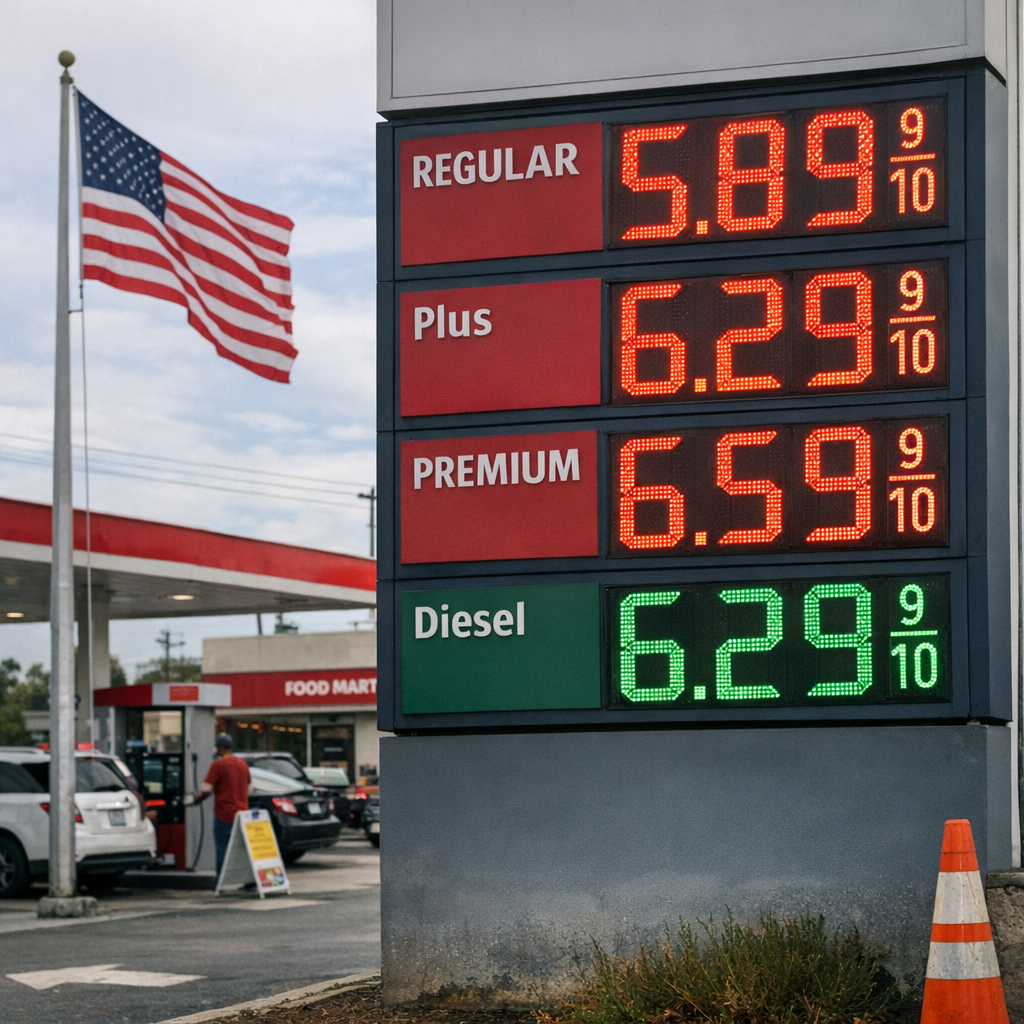
The United States is currently grappling with significant economic challenges, marked by escalating inflation and complex political dynamics. These developments have profound implications not only for Americans but also for international observers, including those in Berlin.
Surging Inflation and Economic Strain
In April 2026, the U.S. consumer price index rose by 3.8% compared to the previous year, driven primarily by escalating energy costs due to supply disruptions in the Strait of Hormuz. This surge in inflation has outpaced wage growth, leading to a decline in real wages and diminishing purchasing power for many Americans. The situation has sparked public discontent, especially as the midterm elections approach.
Political Responses and Public Sentiment
President Donald Trump’s administration has faced criticism for its handling of the economy. A recent CNN poll indicates that 70% of Americans disapprove of Trump’s economic performance. Despite strong GDP growth fueled by the AI boom, the public remains concerned about rising living costs and economic stability.
International Implications
The economic turmoil in the U.S. has global repercussions. The ongoing conflict in the Strait of Hormuz has disrupted oil supplies, affecting global energy markets. Additionally, the U.S. administration’s policies, including tariffs and military engagements, have introduced uncertainties in international trade and diplomacy.
Looking Ahead
As the U.S. navigates these economic and political challenges, the outcomes will be closely watched worldwide. The interplay between domestic policies and international relations will likely shape the global economic landscape in the coming months.