

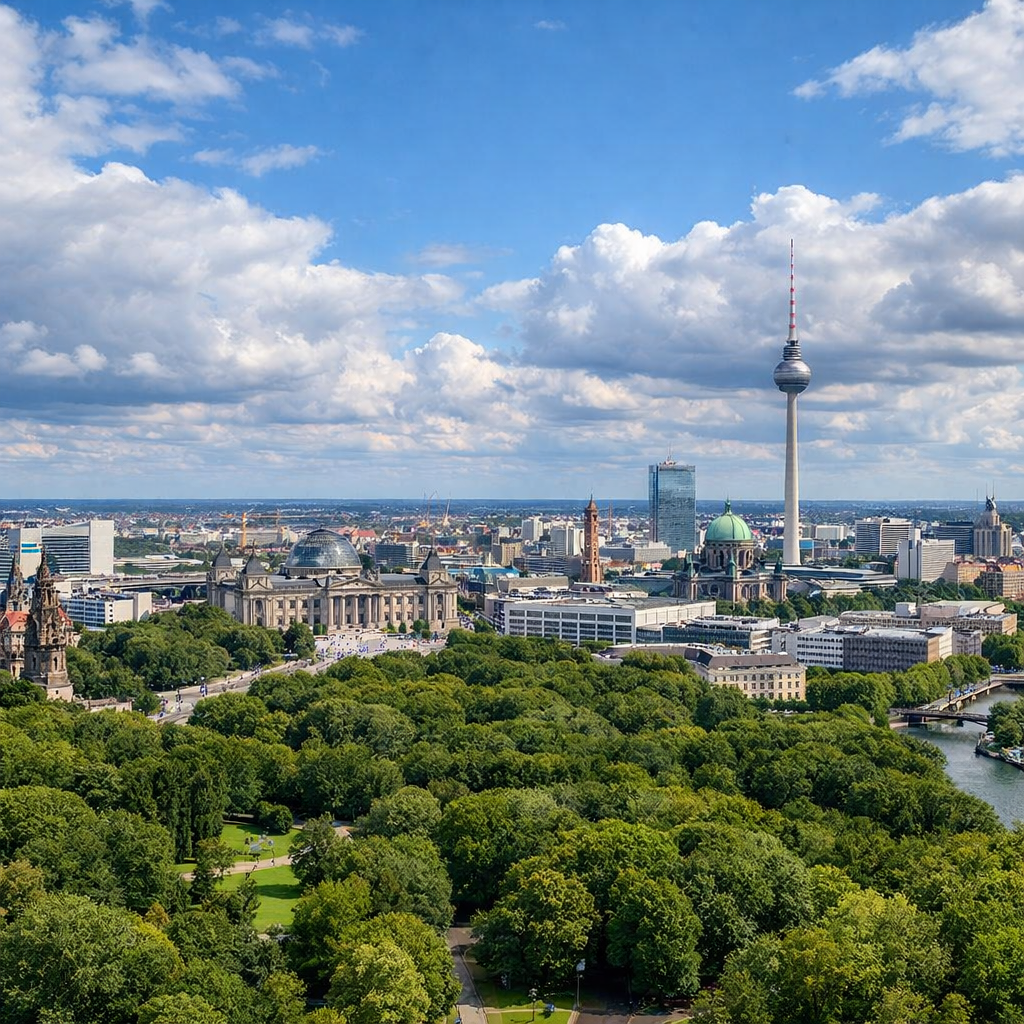
Berlin’s climate is characterized by distinct seasonal variations, influenced by its geographical position and urban landscape. Understanding these patterns is essential for residents and visitors alike.
Seasonal Overview
Spring (March – May)
Spring in Berlin is marked by a gradual warming trend. March often retains winter’s chill, with average highs around 8°C (46°F). By May, temperatures rise to approximately 15.5°C (60°F), accompanied by longer daylight hours and blooming flora.
Summer (June – August)
Summers are generally warm and pleasant. Average temperatures range from 18°C to 25°C (64°F to 77°F). However, heatwaves can occasionally push temperatures above 30°C (86°F). This season also experiences increased precipitation, often in the form of brief but intense thunderstorms.
Autumn (September – November)
Autumn brings a gradual cooling. September remains relatively warm, with averages around 19°C (66°F). By November, temperatures drop to between 5°C and 8°C (41°F to 46°F). The season is characterized by colorful foliage and shorter days.
Winter (December – February)
Winters are cold and often overcast. Average highs hover between 2°C and 4°C (36°F to 39°F), with nighttime temperatures frequently dipping below freezing. Snowfall is common but typically light, with occasional heavier snowfalls.
Climate Change Impact
Over the past century, Berlin has experienced a significant warming trend. Data indicates that the mean temperature has increased by approximately 1.62°C since the late 19th century. This warming has led to more frequent heatwaves and a rise in tropical nights, where temperatures remain above 20°C (68°F) during the night. Additionally, the urban heat island effect exacerbates temperature extremes within the city.
Environmental Considerations
The changing climate poses challenges for Berlin’s environment. Prolonged dry periods can lead to water shortages and stress on urban greenery. Conversely, increased heavy rainfall events may result in flooding, impacting infrastructure and water quality. The city has been proactive in implementing adaptation strategies, such as enhancing green spaces and improving water management systems, to mitigate these effects.
Understanding Berlin’s climate patterns and the ongoing changes is crucial for developing effective strategies to ensure the city’s resilience and the well-being of its inhabitants.