

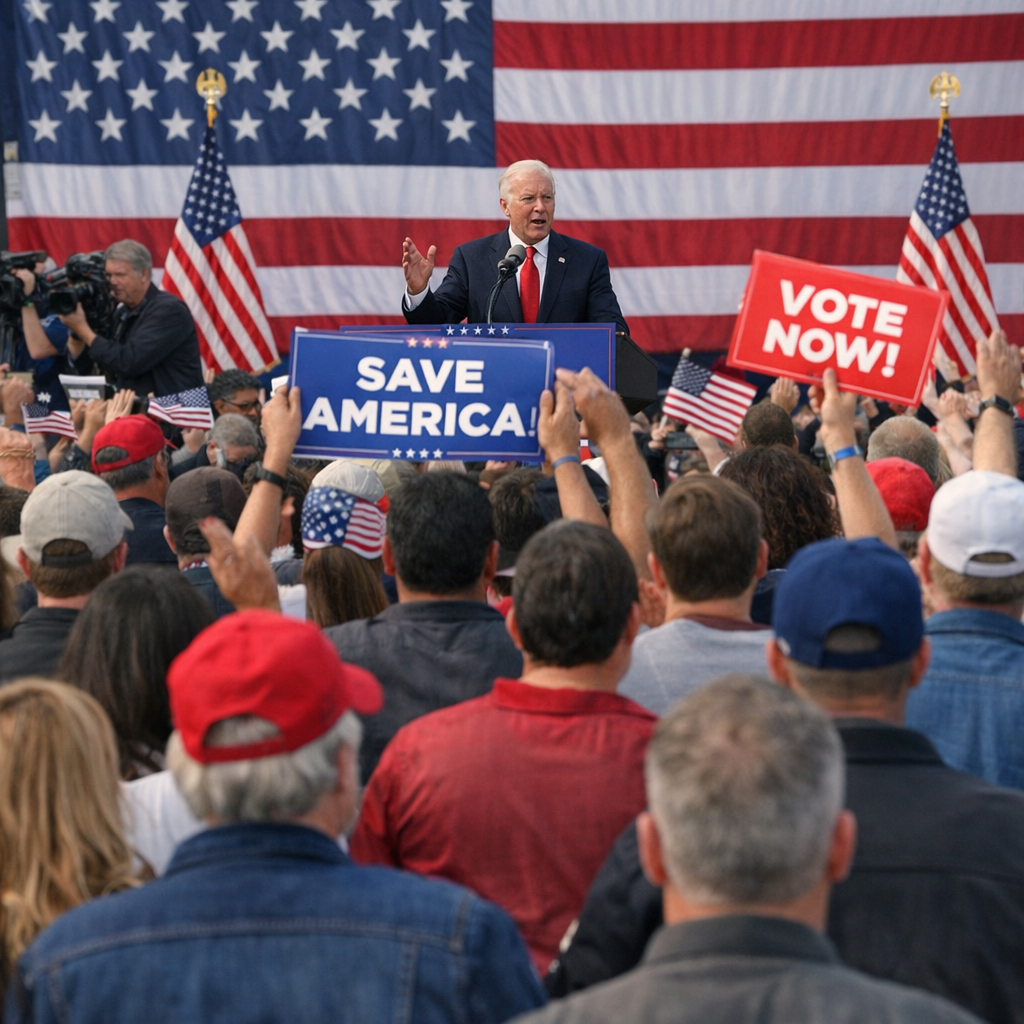
The United States is currently experiencing significant developments in both its political and economic spheres, with implications that resonate domestically and internationally.
Political Landscape
Recent polling data indicates a heightened level of public concern regarding the U.S. political system. Approximately one-third of Americans identify politics and government as the nation’s most pressing issues, a sentiment more pronounced than in most other wealthy democracies. This anxiety is particularly evident among older demographics, while younger Americans are more focused on economic challenges such as housing affordability and basic needs. This generational divide mirrors trends observed in other high-income countries grappling with similar issues.
Economic Developments
The U.S. economy continues to exhibit resilience, with the International Monetary Fund (IMF) projecting a growth rate of 2.4% in the fourth quarter of 2026, up from 2.2% the previous year. Unemployment is expected to decline from 4.5% in late 2025 to 4.1% in 2026, with inflation anticipated to align with the Federal Reserve’s 2% target by 2027. However, the IMF has cautioned that substantial federal budget deficits pose a growing stability risk, emphasizing the need for prudent fiscal management.
In the labor market, the June jobs report revealed a slowdown in hiring and an increase in long-term unemployment, suggesting that while the economy remains robust, certain sectors may be experiencing challenges. Additionally, the Federal Reserve has maintained interest rates but signaled potential hikes later in the year, reflecting ongoing efforts to balance economic growth with inflation control.
Implications
These developments underscore the complex interplay between political sentiment and economic performance in the United States. The heightened public concern over political stability, coupled with economic indicators pointing to both growth and potential risks, suggests a period of cautious optimism. Policymakers and stakeholders will need to navigate these dynamics carefully to sustain economic momentum while addressing the underlying political anxieties that could impact future growth.