

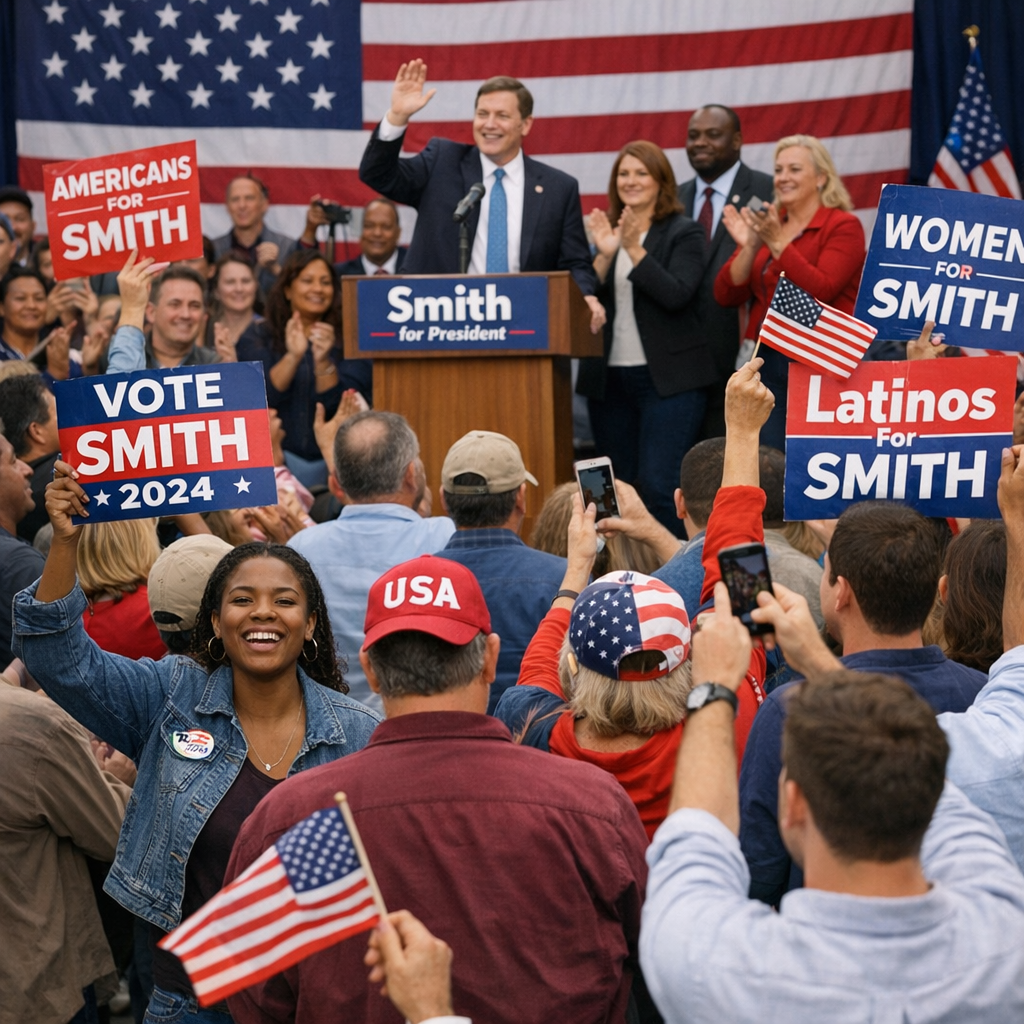
The United States is currently experiencing significant shifts in its political and economic landscapes, with recent events shaping the nation’s trajectory.
Political Developments
In the political arena, the upcoming 2026 midterm elections are drawing considerable attention. All 435 House seats and 35 Senate seats are up for grabs, with both major parties investing heavily in campaigns and voter outreach. The outcomes of these elections are poised to influence key policy areas, including immigration, healthcare, and foreign relations.
Additionally, redistricting efforts across various states are altering the political map. For instance, Florida’s proposed congressional maps could potentially reduce Democratic representation, while Virginia’s recent remapping may pose challenges for Republican incumbents. These changes underscore the dynamic nature of U.S. politics as the nation approaches the midterms.
Economic Landscape
On the economic front, the U.S. is navigating a complex environment marked by fluctuating indicators. Recent data reveals a 0.3% increase in wholesale inflation, maintaining the annual rate at 2.7%. Retail sales have also seen a modest rise of 0.2%. However, when adjusted for inflation, consumer spending has effectively decreased by 0.1%, reflecting underlying economic pressures.
Consumer confidence has taken a hit, reaching its lowest point since April. Concerns about job security, the cost of living, and the broader economic outlook are contributing to this decline. These sentiments are further influenced by global events, such as the ongoing conflict in Iran, which has led to increased energy costs and added strain on the economy.
Implications and Outlook
The interplay between political decisions and economic conditions is evident. Policies enacted by the current administration, including trade measures and fiscal strategies, are having tangible effects on both domestic and international markets. As the midterm elections approach, the direction of these policies may shift, depending on the balance of power in Congress.
For observers in Berlin and beyond, understanding these developments is crucial. The U.S. remains a significant player on the global stage, and its internal dynamics have far-reaching implications. Staying informed about these changes enables a more comprehensive grasp of international affairs and their potential impact on global relations.