

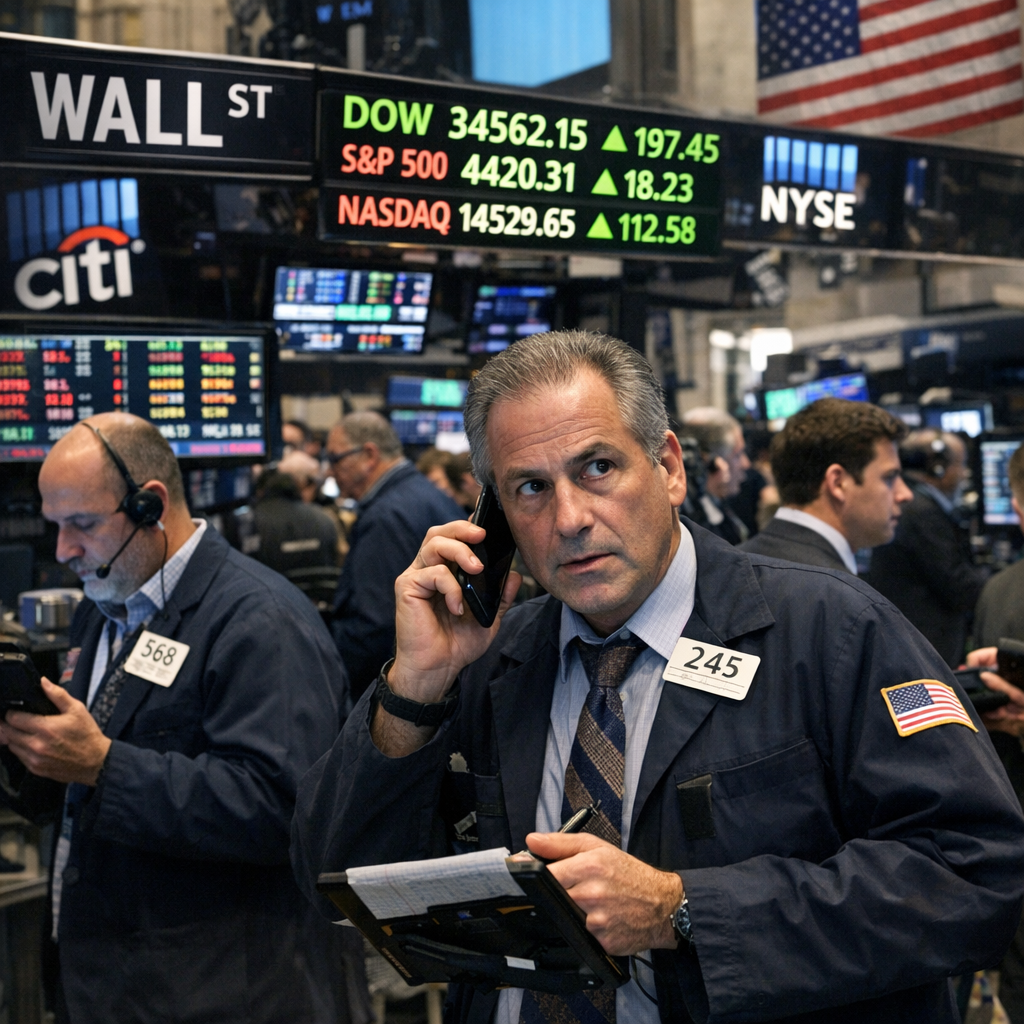
The United States economy is currently experiencing a period of significant change, influenced by various domestic and international factors. Understanding these developments is crucial for both policymakers and the general public.
Inflation and Consumer Prices
Recent data indicates a notable rise in consumer prices. In March, the U.S. consumer price index increased by 3.3% year-on-year, primarily driven by escalating energy costs. This surge is largely attributed to geopolitical tensions affecting global oil supplies, leading to higher fuel prices and subsequent inflationary pressures across various sectors.
Employment Trends
Despite economic strains, the labor market has shown resilience. May witnessed a surge in hiring, with significant job creation across multiple industries. This uptick suggests that businesses are adapting to current challenges and are optimistic about future economic prospects.
Impact of International Events
Global events, particularly the conflict in Iran, have had a profound impact on the U.S. economy. The war has disrupted oil supplies, leading to increased energy prices and contributing to inflation. Additionally, the closure of the Strait of Hormuz has raised concerns about global energy markets and supply chains, further influencing economic stability.
Federal Reserve’s Response
In response to these economic indicators, the Federal Reserve has maintained interest rates but signaled the possibility of future hikes to curb inflation. The Fed’s cautious approach reflects the delicate balance between fostering economic growth and controlling rising prices.
Looking Ahead
As the U.S. navigates these economic challenges, it is essential to monitor ongoing developments and their potential implications. Policymakers and stakeholders must remain vigilant, adapting strategies to promote stability and growth in an ever-changing global landscape.