

Berlin’s real estate market continues to evolve, presenting both challenges and opportunities for residents and investors alike. Understanding the current trends in rentals, home buying, and local development is essential for making informed decisions.
Rental Market Dynamics
In recent years, Berlin has experienced significant shifts in its rental market. As of 2025, asking rents have seen a notable increase, with a 12.0% rise to an average of €15.79 per square meter. This surge positions Berlin at the forefront of rental price growth among Germany’s major cities. The demand for rental properties remains high, driven by a growing population and a limited housing supply. Notably, central districts such as Mitte, Prenzlauer Berg, and Charlottenburg continue to attract renters, leading to intensified competition for available units.
Home Buying Trends
The market for purchasing homes in Berlin has also undergone changes. After a period of price corrections influenced by interest rate adjustments, the market is showing signs of stabilization. In 2025, the median asking price for existing apartments was approximately €5,130 per square meter, reflecting a 3% year-on-year increase. New constructions averaged €8,200 per square meter. This stabilization suggests a renewed interest in homeownership, particularly as rental prices continue to climb.
Local Development Initiatives
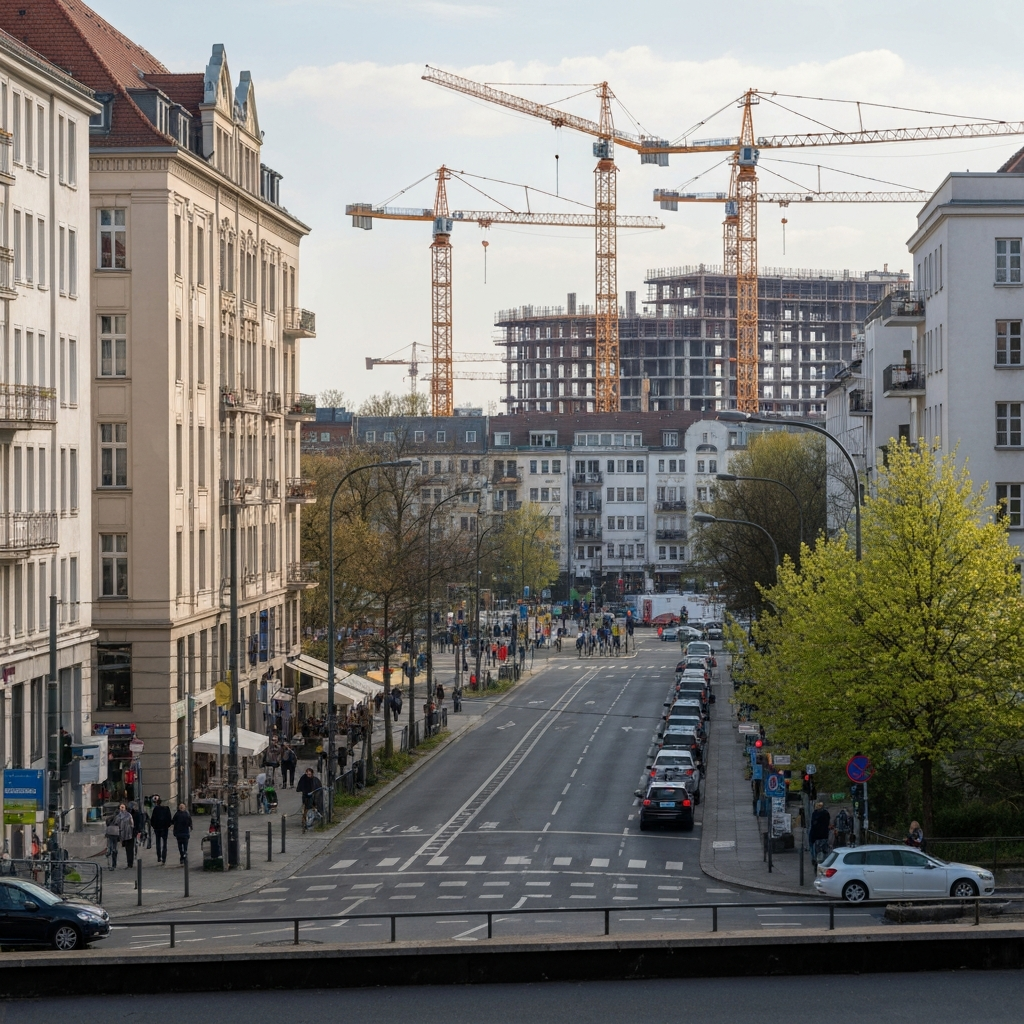
To address the ongoing housing shortage, Berlin has implemented several development initiatives. The city faces a structural housing deficit estimated between 120,000 and 150,000 units. Efforts to expedite construction processes, such as the ‘Schneller-Bauen-Gesetz’ (fast-track construction legislation), aim to alleviate this shortage. However, challenges persist, including bureaucratic hurdles and rising construction costs, which have led to a decline in new apartment constructions by 15% compared to 2023. Despite these obstacles, the city remains committed to increasing housing availability through strategic development projects.
Conclusion
Berlin’s real estate landscape is characterized by dynamic changes in rental and purchase markets, coupled with proactive development efforts. For those navigating this environment, staying informed about market trends and policy developments is crucial. Whether considering renting, buying, or investing, understanding the nuances of Berlin’s real estate market will aid in making well-informed decisions.